2004
First forest
A borrowed SLR, a roll of slide film and a shared gypsy in Kanha. Twenty-four exposures, none of them worth keeping, and a habit that never went away.
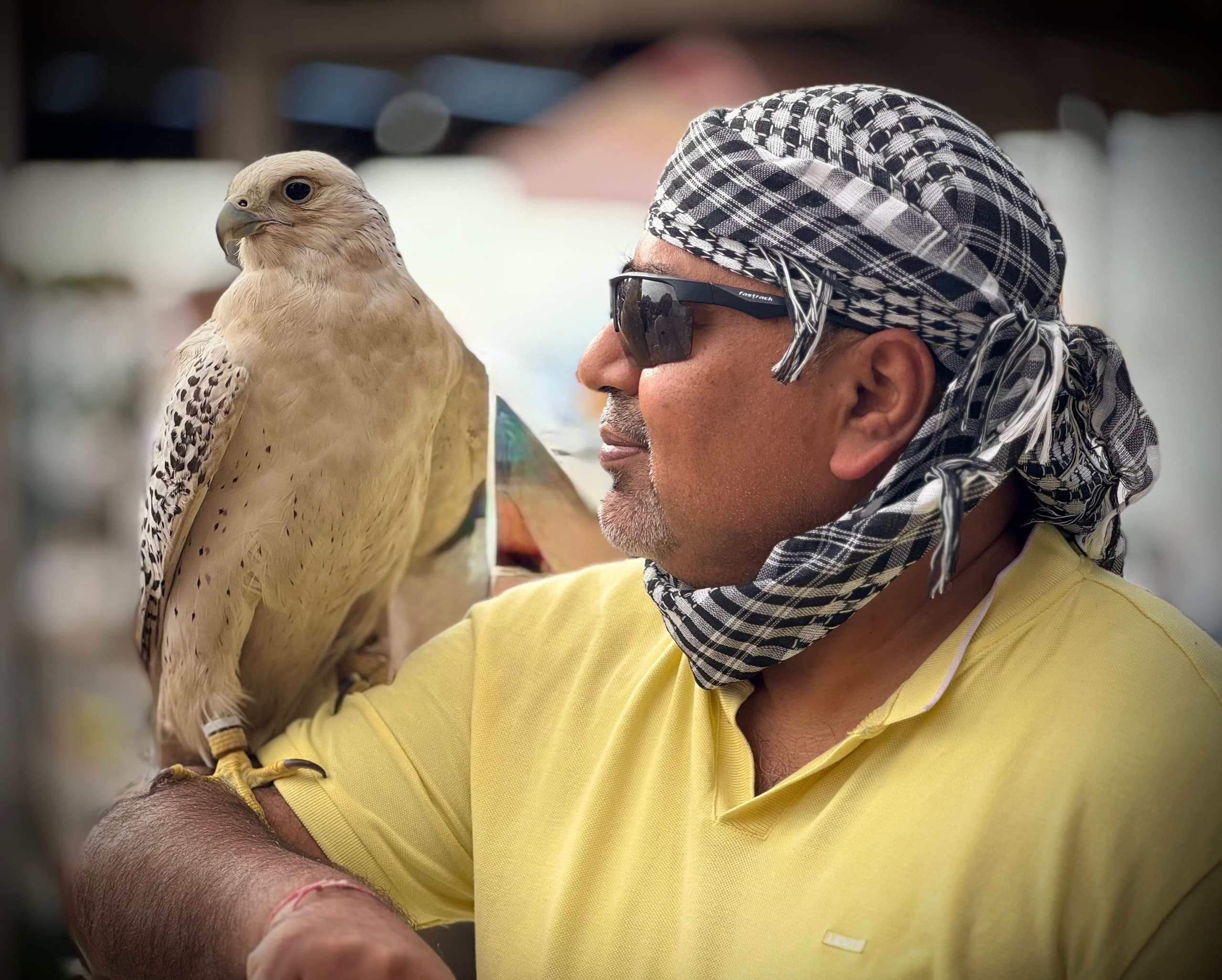
About
Wildlife and nature photographer, based in Nagpur. Twenty years of tiger forests, tidal creeks and rain-soaked hides across central and western India.
The short version
I am not a naturalist by training, and I do not pretend to be. What I have is two decades of returning to the same few forests often enough to know where the light lands in April, which waterhole matters in May, and which bank of a nallah a kingfisher will choose in July. Almost everything I know was learned from forest department guides and gypsy drivers who have spent far longer in these places than I have.
The work divides roughly into three: big cats, mostly in Tadoba-Andhari; wetland and coastal birds around Thane Creek and the Konkan estuaries; and long-form hide work on rainforest species during the monsoon. They demand completely different temperaments — a tiger drive is three hours of alertness and thirty seconds of execution, while a hide is nineteen mornings of nothing.
I shoot with a single zoom on a single body, deliberately. The constraint means less time deciding and more time watching, and watching is the part that actually produces photographs.
What's in the bag
Where the work happens
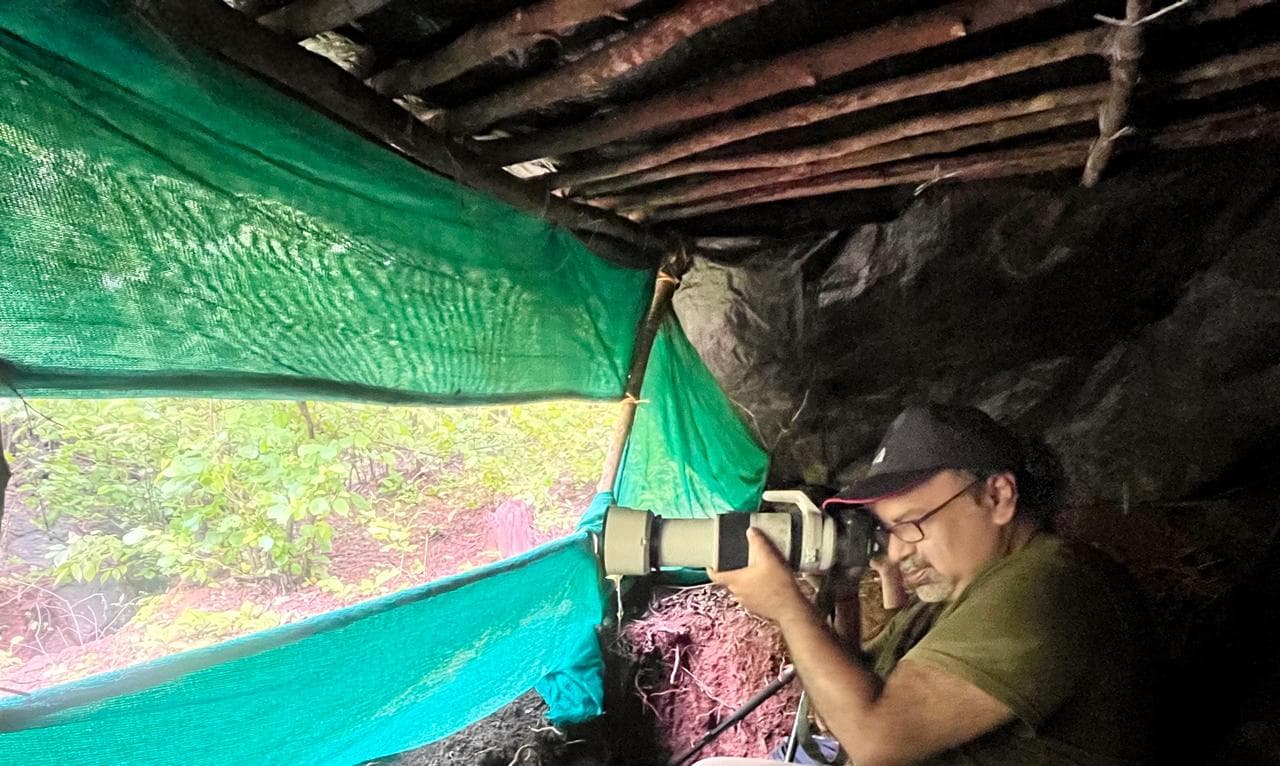
Konkan rainforest
The long version
2004
A borrowed SLR, a roll of slide film and a shared gypsy in Kanha. Twenty-four exposures, none of them worth keeping, and a habit that never went away.
2011
Relocating to Nagpur put Tadoba within a three-hour drive. What had been an annual holiday became a monthly discipline — the same forest, the same tracks, across every season.
2016
First serious hide work in the Konkan. Trading the mobility of a vehicle for the patience of a fixed position changed what kinds of pictures were even possible.
2019
Boat-based work on Thane Creek and the Konkan estuaries. Wetland birds on a moving platform demanded a completely different technical approach — and rewired how I think about backgrounds.
Today
Small-group photography trips into Tadoba and the Ghats, image licensing for editorial and conservation use, and archival printing from the full archive.
Field ethics
01
No baiting, no call playback, no cutting vegetation, no approaching a nest or den. If the subject changes its behaviour because of me, the session is over.
02
Every wildlife frame here was made from a registered vehicle on a legal route with a forest department guide, or from a hide built with permission, inside official timings.
03
Exposure, contrast, colour balance, dust spotting and cropping. Nothing added, nothing removed, no composites presented as single frames.
04
Active nest sites and den locations are never published or shared while they are in use, regardless of who is asking.
Get in touch